Whether you're lifting groceries, playing with your children, climbing stairs, or preventing injury during unexpected movements, functional fitness builds the practical strength, mobility, and coordination that translate directly to improved quality of life. This approach doesn't just make you look better—it makes moving through the world easier, safer, and more capable at any age. Let's explore what functional fitness truly means and how to incorporate these principles into your training for results that extend far beyond the gym.

Understanding Functional Movement Patterns
Functional fitness centers on training the fundamental movement patterns that humans perform throughout daily life rather than isolating muscles in ways bodies rarely move naturally. According to principles from ACE Fitness functional training methodology, these core patterns form the foundation of human movement and should drive training programming.
The primary functional movement patterns include squatting, hinging, pushing, pulling, rotating, and carrying. Every physical task you perform—from sitting in a chair to picking up a child to reaching for something overhead—involves combinations of these fundamental patterns. Training these movements with proper form and progressive resistance builds strength that directly translates to improved performance in countless daily activities.
- Squatting patterns appear whenever you sit down or stand up, pick something up from the ground, or move into low positions. Properly trained squats develop leg strength, core stability, and mobility that make these everyday movements effortless and injury-resistant.
- Hinging patterns—bending at the hips while maintaining a neutral spine—are essential for lifting objects safely, whether it's laundry baskets or furniture.
- Pushing and pulling movements balance each other and reflect how we interact with objects—pushing doors, shopping carts, or heavy items away, pulling them toward us or lifting them overhead.
- Rotational movements are critical for sports, many work tasks, and simply turning your body efficiently.
- Carrying movements build the stability and endurance needed to transport groceries, luggage, or children without strain or compensation.
Training these patterns rather than isolated muscles creates bodies that move well as integrated systems. Your core stabilizes while your limbs generate force. Multiple muscle groups coordinate seamlessly. Your nervous system learns to recruit muscles in the proper sequences and timing. This integrated training produces strength that feels natural and applicable rather than gym-specific.
Key Principles of Functional Fitness Training
Effective functional training follows specific principles that distinguish it from traditional bodybuilding or machine-based approaches. Understanding these principles helps you design or recognize truly functional training programs versus those that simply use the label without substance.
- Multi-joint movements: Functional exercises involve multiple joints and muscle groups working together, just as they do in real life. Squats involve ankles, knees, and hips simultaneously, unlike leg extensions that isolate the knee joint artificially.
- Free weights and bodyweight: Training with free weights, kettlebells, resistance bands, and bodyweight requires stabilization and coordination that machines eliminate. This builds functional strength and balance rather than strength that only exists within machine-guided paths.
- Three-dimensional movement: Real life doesn't happen on fixed planes. Functional training incorporates forward/backward, side-to-side, and rotational movements that reflect how bodies actually move through space.
- Core integration: Rather than isolating core muscles with crunches, functional training engages the core as a stabilizer during compound movements, building the anti-rotation and anti-extension strength that protects your spine during daily activities.
- Balance and stability: Many functional exercises challenge balance and proprioception, training your nervous system to maintain control during unstable or unexpected situations that cause many real-world injuries.
- Progressive overload: Like any effective training, functional fitness requires gradually increasing challenge through added weight, complexity, speed, or reduced stability to drive continued adaptation.
- Movement quality over load: Functional training prioritizes performing movements correctly before adding significant load, ensuring patterns are trained properly rather than reinforcing compensations and dysfunctions.
Essential Functional Exercises for Everyone
Certain exercises form the foundation of functional training programs because they train fundamental patterns efficiently and effectively. Mastering these movements provides tremendous carryover to countless daily activities and creates a base for more complex training.
Goblet Squats
Goblet squats teach proper squat mechanics while building leg strength, core stability, and thoracic mobility. Holding weight at chest height in this variation naturally encourages upright posture and proper depth, making it ideal for learning correct squat patterns that translate to safer, more effective movement in daily life.
Deadlifts and Variations
Deadlifts and their variations train the essential hip hinge pattern critical for lifting anything from the ground safely. This movement builds posterior chain strength—glutes, hamstrings, back—that protects your spine during one of the most common movement patterns that causes injury when performed incorrectly.
Push-up Variations
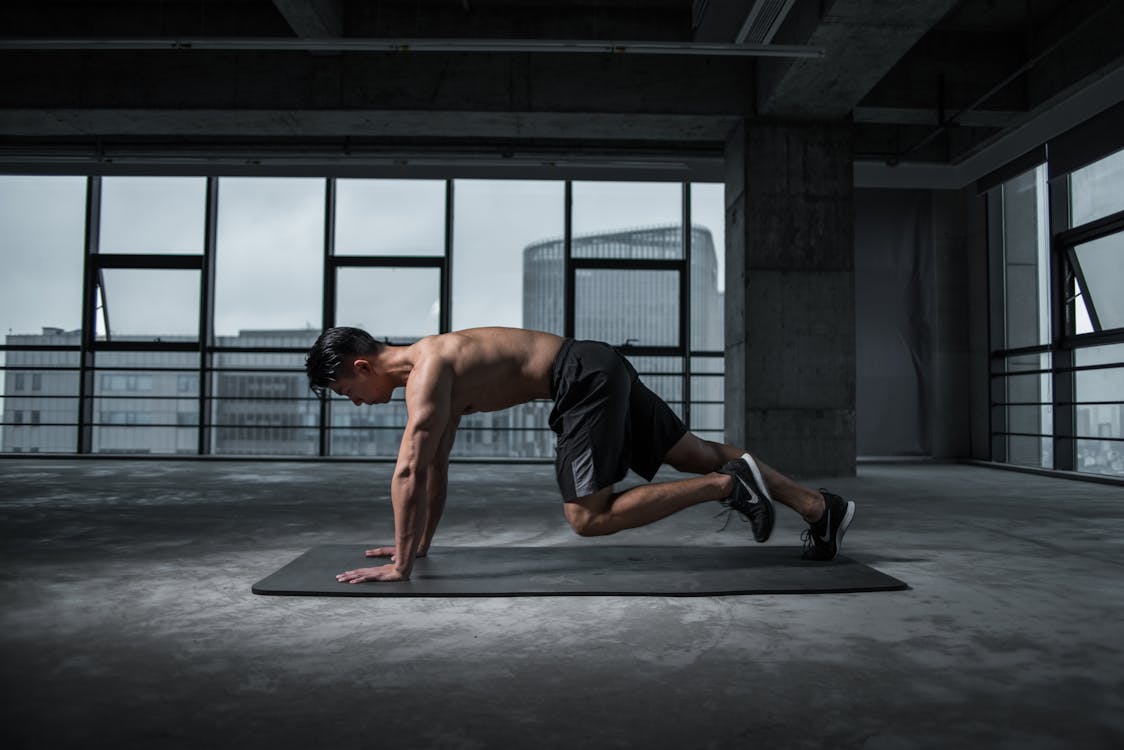
Push-up variations train horizontal pushing patterns while requiring core stability and scapular control. Unlike bench presses that isolate pushing onto a stable surface, push-ups develop the integrated strength and stability that transfers to pushing movements in unstable, real-world contexts.
Rows and Pull-up Variations
Rows and pull-up variations develop pulling strength and scapular stability essential for shoulder health and countless pulling tasks. These movements also counter the forward-rounded posture that modern sedentary lifestyles create, building the posterior strength needed for upright, pain-free posture.
Farmer's Carries
Farmer's carries—simply walking while holding weights—build grip strength, core stability, postural endurance, and the practical capacity to carry things efficiently. This seemingly simple exercise transfers directly to carrying groceries, luggage, or children with better posture and less fatigue.
Turkish Get-ups
Turkish get-ups represent one of the most comprehensive functional exercises, combining nearly every movement pattern into a sequence that builds strength, mobility, stability, and coordination simultaneously. While complex to learn, this movement develops truly integrated full-body function.
Rotational Movements
Rotational movements like medicine ball throws, woodchops, or anti-rotation exercises train the rotational power and stability that many sports require and that prevent injuries during the twisting movements that daily life constantly demands.
Functional Fitness for Different Life Stages and Goals
Functional training principles apply across all ages and fitness levels, though specific applications vary based on individual circumstances, capabilities, and goals. Understanding how to adapt functional training to different situations maximizes its relevance and effectiveness.
- Younger adults focused on performance and aesthetics benefit from functional training that builds athleticism alongside appearance. These individuals can handle more complex exercises, heavier loads, and faster-paced training while still prioritizing movement quality.
- Parents and caregivers need functional training that prepares them for the physical demands of childcare—lifting children safely, getting up and down from the floor repeatedly, carrying car seats and strollers, and maintaining energy for active play.
- Desk workers require functional training that counters the effects of prolonged sitting—hip mobility, thoracic extension, glute activation, and postural endurance. Functional exercises directly combat the physical toll of sedentary work.
- Older adults gain perhaps the most dramatic quality-of-life improvements from functional training. Building strength, balance, and mobility maintains independence and prevents the physical decline often mistakenly considered inevitable with aging.
- Athletes use functional training to build sport-specific movement capacity, developing the patterns, power, stability, and endurance their particular sports demand while reducing injury risk through better movement mechanics.
Functional Training vs. Traditional Approaches
Understanding how functional fitness differs from traditional bodybuilding or machine-based training helps clarify when each approach makes sense and how they might complement each other.
Traditional Bodybuilding
Machine-Based Training
Functional Training
The optimal approach for many people combines elements of each. A foundation of functional movement training supplemented with some isolation work to address specific weaknesses or aesthetic goals provides both practical strength and complete development. The ratio depends on your priorities—those focused on real-world performance should emphasize functional training heavily.
Common Mistakes in Functional Training
Despite functional fitness's clear benefits, several common mistakes limit its effectiveness or even create problems. Awareness of these pitfalls helps you implement functional training principles more successfully.
- Adding complexity before mastery: Training on unstable surfaces or with unnecessarily complex exercises before mastering basic patterns correctly creates injury risk without benefit. Progress deliberately.
- Neglecting progressive overload: Your body needs increasing challenge to adapt and strengthen. Load movement patterns progressively while maintaining quality.
- Avoiding all isolation work: While compound movements form your foundation, targeted isolation exercises can address specific weaknesses or imbalances that limit functional movement.
- Ignoring mobility limitations: You cannot train functional movement patterns effectively without adequate mobility. Address restrictions before or alongside strength training.
- Arbitrary distinctions: Function is determined by how well exercises train movement patterns that improve real-world physical capacity—not by how exercises look or what equipment they use.
Conclusion: Moving Better, Living Better
The ultimate measure of fitness isn't how much you can lift in the gym or how defined your muscles appear—it's how well your body serves you in the countless movements of daily life. Functional fitness honors this truth by training movement, not just muscles. It prepares you for the unpredictable physical demands of existence, from chasing grandchildren through airports to carrying firewood to simply getting up from the floor with grace long into your later years.
Whether you're a competitive athlete seeking performance edges, a desk worker protecting your body from sedentary damage, a parent keeping up with energetic children, or someone simply wanting to maintain independence and vitality as you age, functional fitness principles apply. They teach your body to move as an integrated whole, building strength that means something beyond gym walls.
Start with fundamental movement patterns, prioritize quality before load, progress systematically, and trust that training your body for real life will transform not just how you look but how you feel and function every single day. That's the promise of functional fitness—a body prepared for everything life asks of it.
Follow Us: For more updates, stories, and partner links — visit our official Facebook Page and explore Our Sister Sites.

No comments:
Post a Comment